Testing
Engineered for Reliability
In the valve industry, performance under pressure demands more than just parts—it requires advanced polymer solutions engineered for reliability. That’s where Odin Heavy Industries delivers. From high-performance seals, bearings, and seats to full-spectrum testing for low-emission, high-temperature, and high-pressure applications, every solution is built to meet the toughest standards, including API 6A PR2 Annex F and ISO 15848-1. Whether you’re an OEM, EPC, or end user, you’ll have expert engineering support before, during, and after testing—to help ensure success at every stage of your project.
API 6A PR2/F Testing
Odin’s Role
We offer complete testing support, component manufacturing, and engineering consultation for ISO 15848-1 compliance. We supply advanced polymer sealing solutions specifically designed to meet or exceed tightness and endurance requirements—even under extreme service conditions.
From prototype through to post-certification support, ODIN ensures your valve technology is built for long-term, low-emission performance.
A rigorous design validation procedure that ensures components can withstand harsh environments, making it essential for critical applications.
- Temperature Cycling – Exposing components to extreme high and low temperatures
- Pressure Cycling – Dynamically cycling components under various pressure conditions
- Seal Integrity Testing – Ensuring the long-term reliability of seals under operational stress
- Mechanical Integrity Testing – Validating the structural integrity of components under real-world conditions
Temperature Range:
- Environmental Chamber(s) -150˚F to 650˚F
Custom Liquid Nitrogen boxes for -317˚F - External heating methods to 1200 ˚F
Pressure Testing
- Hydro Testing: Up to 40,000 PSI
- Gas Testing: Up to 20,000 PSI
- Leak Detection: PPM, cm3/s, bubble test
* Weight limitations 15,000 lbs
* Size Limitation 22.5”x 55”*x 50”
* Custom fixtures available for larger valves
Fugitive Emissions Testing:
Fugitive Emissions Testing – ISO 15848-1
Ensuring Low-Leakage Performance in Critical Valve Applications
ISO 15848-1 is the international standard that defines test procedures for measuring fugitive emissions—the unintentional release of gases or vapors (often hazardous or environmentally regulated) from pressurized equipment, especially valves and their sealing systems.
What Does It Measure?
This standard evaluates a valve’s ability to limit emissions through:
- Stem/shaft seals (primary focus)
- Body joints (secondary)
The test simulates real-world pressure and temperature cycling while tracking emissions over time—offering insight into long-term sealing reliability.
Test Criteria Include:
Tightness Class – Defines the acceptable leakage rate:
A: Ultra-low leakage
B: Low leakage
C: Standard leakage
Endurance Class – Number of mechanical cycles:
- From 205 up to 10,000+ cycles
Temperature Class – Covers cryogenic to high temperatures:
- Ranges from -196°C to +400°C
Why It Matters
Fugitive emissions standards are critical in Oil & Gas, Chemical processing, Refineries and Power Generation. Valves tested and certified to ISO 15848-1 demonstrate reduced environmental impact, improved safety, and compliance with increasingly strict regulatory frameworks.
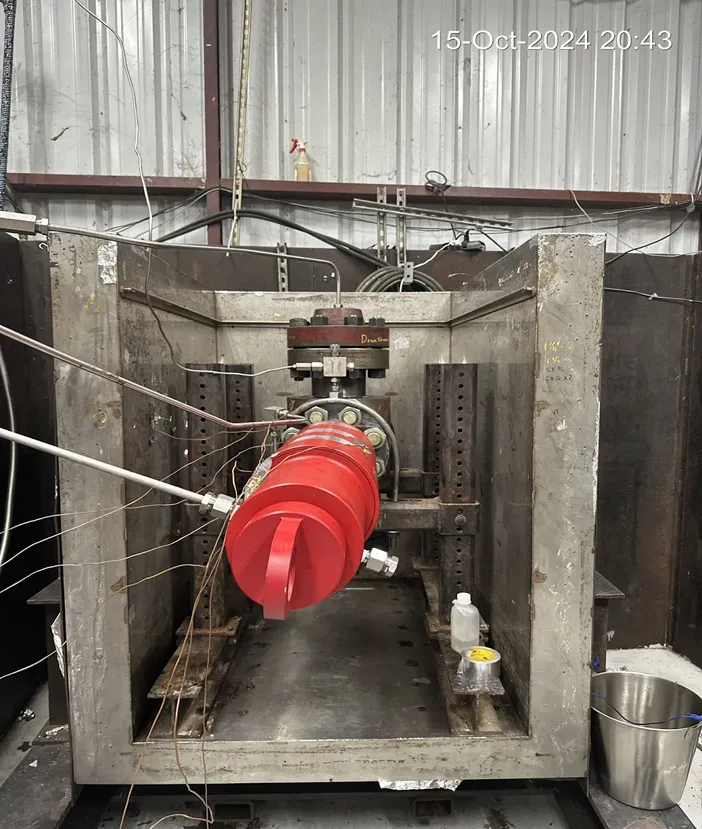
Cryogenic Testing for Valves
Cryogenic applications—such as LNG processing, hydrogen handling, and aerospace systems—demand valve components that maintain tight sealing performance under extreme low-temperature conditions. At ODIN Heavy Industries, we offer comprehensive cryogenic testing to ensure that valves perform safely and reliably when exposed to sub-zero service environments.
What is Cryogenic Testing?
Cryogenic testing evaluates a valve’s ability to maintain integrity and seal performance at very low temperatures—typically below -150°C (-238°F). This test simulates real-world cryogenic service conditions and helps verify that valves won’t leak or fail due to material brittleness or thermal contraction.
How It Works
- Pressurization with Test Gas: The valve is cooled to cryogenic temperature using liquid nitrogen or similar methods, then pressurized with helium or another test gas.
- Leak Detection: Advanced sniffing or mass spectrometry tools are used to detect any escaping gas—especially around critical sealing areas.
- Seal Evaluation: Special attention is paid to how sealing elements perform under contraction stress and thermal shock.
Materials Matter
Successful cryogenic sealing relies on the right material selection. At Odin, we engineer and test elastomers and polymers specifically suited for low-temp performance, including:
- Perfluoroelastomers (FFKM): Excellent flexibility and chemical resistance at cryogenic temps
- PTFE-based materials: Stable, low-friction, and non-brittle under extreme cold
- Engineered composites: Designed to handle contraction without compromising seal integrity
These materials are chosen and validated to resist embrittlement, prevent leakage, and retain flexibility throughout the thermal cycle.
Why Choose Odin for Cryogenic Testing?
- In-house engineering expertise for material compatibility and seal design
- Full testing capability in simulated cryogenic environments
- Consulting support before, during, and after testing
- Proven experience with valves for LNG, hydrogen, and aerospace sectors
- Peace of Mind at -196°C – With Odin, you can ensure your valve components maintain performance when the stakes—and the temperatures—are at their lowest.
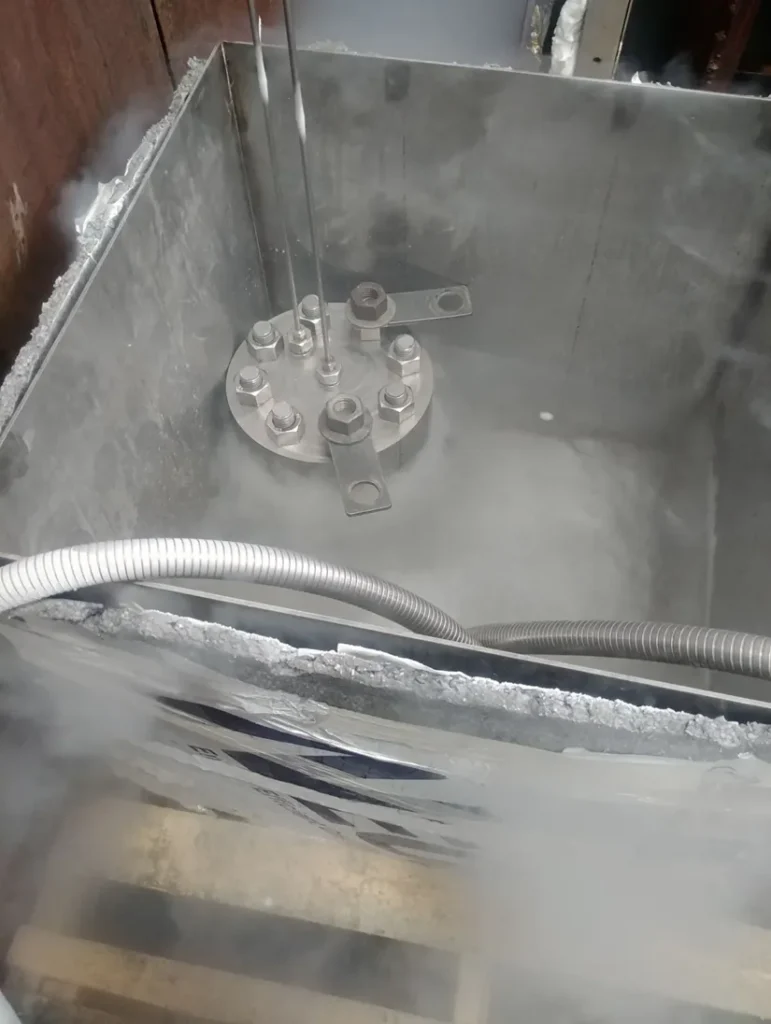
Fire Safe Testing for Valves
In critical service applications—like oil & gas, petrochemical, and power generation—valves must maintain containment even in the event of a fire. Fire safe testing verifies that a valve can continue to seal effectively during and after direct flame exposure, protecting personnel, equipment, and the environment from catastrophic failure.
What is Fire Safe Testing?
Fire safe testing simulates real-world fire scenarios, where valves are exposed to direct flames at temperatures exceeding 750°C (1382°F). The goal is to ensure that even if soft components like seals or seats are compromised, the valve can still maintain a minimum level of sealing to prevent dangerous leaks.
How It Works
- Burn Cycle: The valve is mounted, pressurized with a test medium (usually gas or water), and exposed to an open flame for a specified duration (per API 607 / API 6FA standards).
- Leak Evaluation: Leakage rates are closely monitored during the burn and after the valve cools—testing both primary and secondary sealing integrity.
- Functional Check: After the fire test, the valve must still operate (open/close) safely and reliably.
Standards We Support
ODIN designs and tests valve components to meet:
- API 607 – Fire Test for Quarter-Turn Valves and Valves Equipped with Non-Metallic Seats
- API 6FA – Fire Test for Valves
- ISO 10497 – Fire Type-Testing Requirements
Engineered to Withstand the Heat
At Odin, we provide:
- High-performance fire-safe seals and seats crafted from advanced polymer composites and fire-resistant materials
- Consulting to optimize design for dual-seal or secondary containment systems
- Testing support to guide you through the entire fire certification process
- We engineer polymer components that char instead of ignite, maintain shape under heat, and allow for mechanical fallback sealing even when soft elements are compromised.
Why Fire Safe Matters
- Protects life and infrastructure
- Reduces risk in hazardous environments
- Supports compliance with international safety standards
- Increases operator confidence and regulatory acceptance
Tested Under Fire, Trusted in the Field
Odin’s components don’t just meet fire safe standards—they set them. Partner with us to ensure your valves are built for resilience, even in the most extreme conditions.
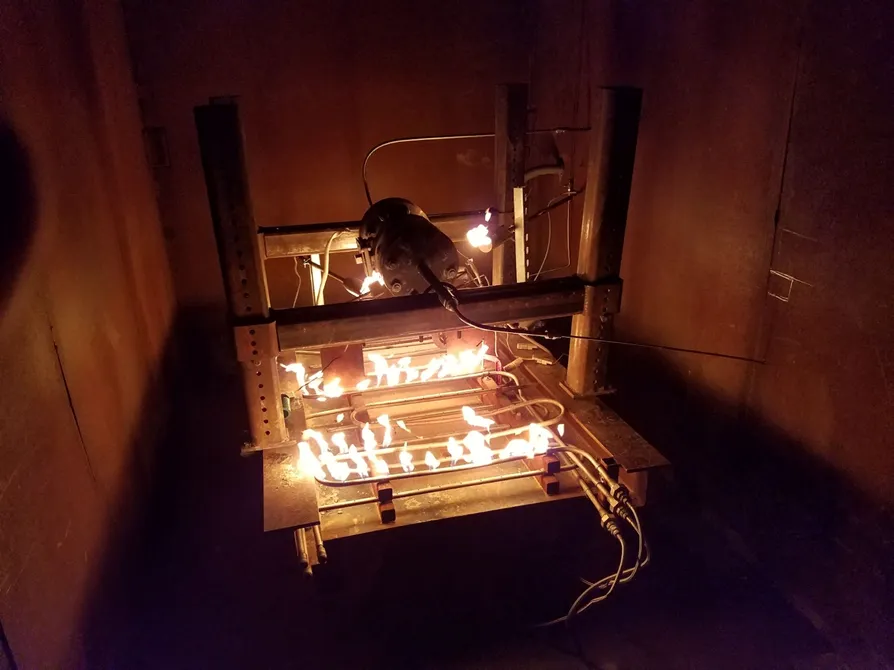
API 16D Fire Testing for BOP Control Systems
When it comes to drilling safety, there’s no room for compromise. API 16D fire testing ensures that Blowout Preventer (BOP) control systems—including hoses, hydraulic lines, and accumulators—can maintain performance during extreme fire scenarios. Odin’s components are designed and tested to meet these rigorous standards, delivering peace of mind in the most critical moments.
What is API 16D Testing?
API 16D outlines the requirements for fire-resistant control systems used in offshore and onshore drilling operations. The goal is to confirm that BOP control equipment can still function safely during a fire—without fluid loss, rupture, or operational failure.
Scope of Testing
API 16D applies to:
- Hydraulic hoses & fittings
- Accumulator units
- Control manifolds
- Valves and seals used in BOP systems
These components are tested together to evaluate the system’s resilience during a simulated wellsite fire emergency.
How It Works
- Fire Exposure: The test setup is exposed to open flame at 700–760°C (1292–1400°F) for a continuous 5-minute period.
- Pressurization: During the burn, the system is pressurized with hydraulic fluid to mimic real operating conditions.
- Leak & Function Check: The equipment must not leak, rupture, or lose control function—demonstrating integrity under fire stress.
Odin’s Contribution to Safety
Odin provides fire-resistant polymer sealing components and engineering consultation for API 16D compliance. Our materials are purpose-built to:
- Maintain sealing integrity under flame exposure
- Prevent catastrophic fluid loss
- Support system operability throughout and after the fire event
- We collaborate with OEMs and drilling operators to optimize system reliability—whether for new designs or retrofitted rigs.
Why It Matters
- Required for well control safety compliance in offshore and high-risk drilling operations
- Validates the survivability of control systems during emergencies
- Reduces risk to personnel, equipment, and the environment
Built for Blowout Protection
With Odin-engineered materials and testing support, your control systems will not only meet API 16D—they’ll rise above it. Trust us to help you deliver equipment that performs when the heat is on.
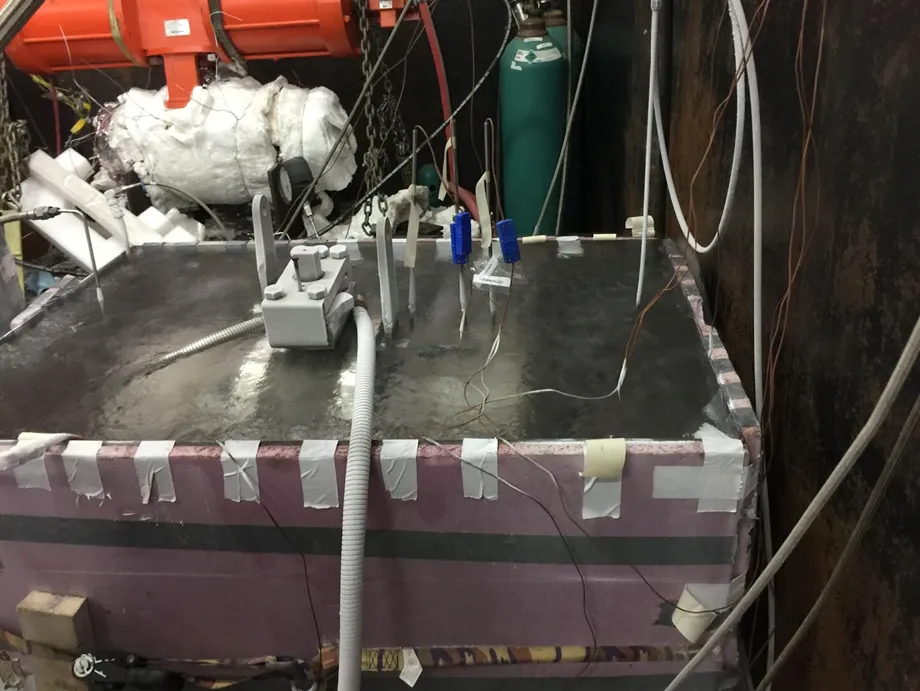
Immersion Testing for Harsh Chemical Environments
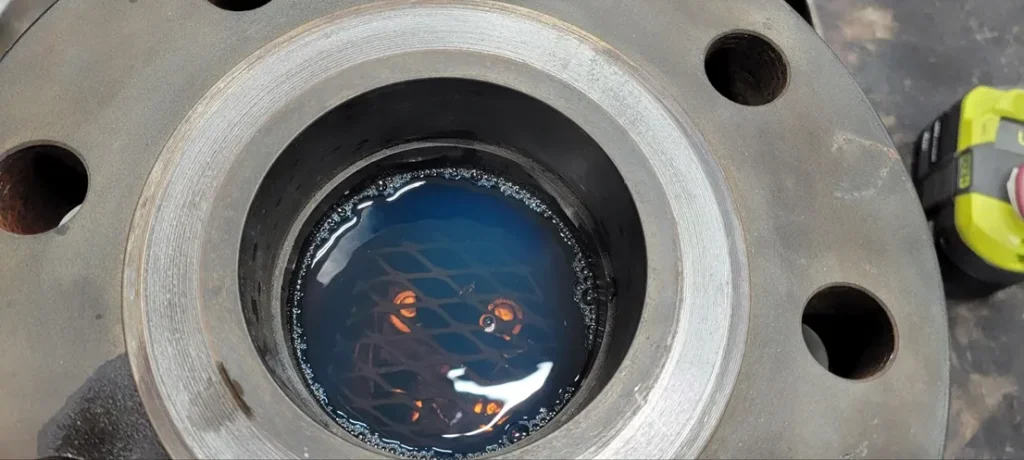
In today’s demanding energy landscape, materials used in valves, BOPs, and other mission-critical components must endure more than just heat and pressure—they must survive prolonged exposure to aggressive chemicals, fuels, and fluids. Immersion testing is essential to verify that our polymer solutions deliver long-term durability and chemical resistance, even in the harshest service conditions.
What is Immersion Testing?
Immersion testing, often conducted under the FFHH regime (Fuel, Fire, Heat, and Hydraulic fluids), evaluates how materials behave when fully submerged in various aggressive media. This includes testing for:
- Chemical compatibility
- Swelling and material degradation
- Retention of mechanical properties over time
Why It’s Critical
Sealing components like elastomers, thermoplastics, and composites must maintain their form, function, and flexibility—even after extended exposure to corrosive fluids and elevated temperatures. Failure to do so can result in:
- Leaks
- Embrittlement
- Compression set
- Catastrophic mechanical failure
Odin’s immersion testing simulates real-world service conditions to ensure your components don’t just survive—but thrive.
What We Test For
- Volume change / swelling behavior
- Tensile strength and elongation retention
- Hardness shift and compression set
- Surface degradation, cracking, or softening
Testing is performed over weeks or months, depending on service temperature and fluid type, using industry-standard fuels, hydraulic fluids, acids, amines, or custom blends to mirror actual field conditions.
Odin’s Expertise in Immersion Testing
We engineer and validate materials specifically formulated for:
- Sour gas (H₂S) resistance
- Acidic and amine-rich environments
- High-temperature hydraulic service
- LNG and cryogenic fuel applications
We test in accordance with customer specs, ASTM standards, and internal performance benchmarks—ensuring each material system is field-ready and fully vetted. With deep expertise in polymer science and real-world testing, We ensure your components maintain integrity where others fail. Immersion testing is just one more way we engineer confidence into every seal, seat, and bearing we supply.
Factory Acceptance Testing (FAT)
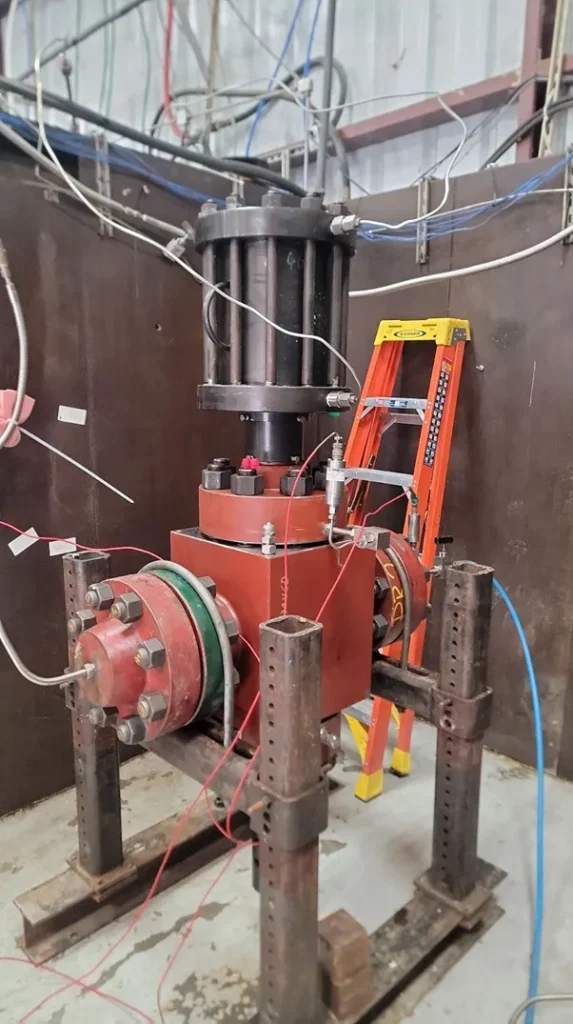
Before a valve ever sees the field, it must prove its reliability where it’s built. Factory Acceptance Testing (FAT) is a vital step in quality assurance—confirming that every component meets design specifications, operational performance targets, and relevant industry standards. At Odin, FAT is where precision meets peace of mind.
What is FAT?
FAT is a controlled, pre-shipment testing protocol that validates a valve’s:
- Functionality
- Pressure integrity
- Mechanical performance
Performed at the manufacturer’s facility, FAT ensures the equipment is built to spec and ready to deliver in the field—without surprises.
Why It Matters
- Catches potential defects early, reducing costly delays during installation or commissioning
- Validates design compliance with API, ISO, or customer-specific standards
- Builds confidence for OEMs, EPCs, and end users ahead of delivery
- Ensures critical systems operate correctly under pressure before they ever reach the site
What We Test For
Odin conducts FAT on sealing systems and valve assemblies to verify:
- Proper actuation and stroke
- Seal integrity under pressure
- Leak-tight performance
- Material conformity and traceability
- Interface compatibility with customer-specified hardware
Custom FAT protocols can include hydrostatic or pneumatic testing, torque checks, dimensional verification, and documentation review.
Odin’s Approach to FAT
We don’t just test—we partner. Our engineering support is available before, during, and after FAT to ensure your valve systems are ready for service. Whether it’s a standard gate valve or a highly engineered sealing solution, Odin’s testing protocols are designed to reduce risk, improve reliability, and shorten deployment timelines.
Strain Gauge Testing for Structural Integrity and Validation
In high-performance equipment, unseen stress can lead to unexpected failure. Strain gauge testing provides critical insights into how materials and components behave under real-world conditions—before those stresses become problems. We use this advanced method to validate design assumptions, uncover weak points, and ensure our components perform flawlessly under pressure.
What is Strain Gauge Testing?
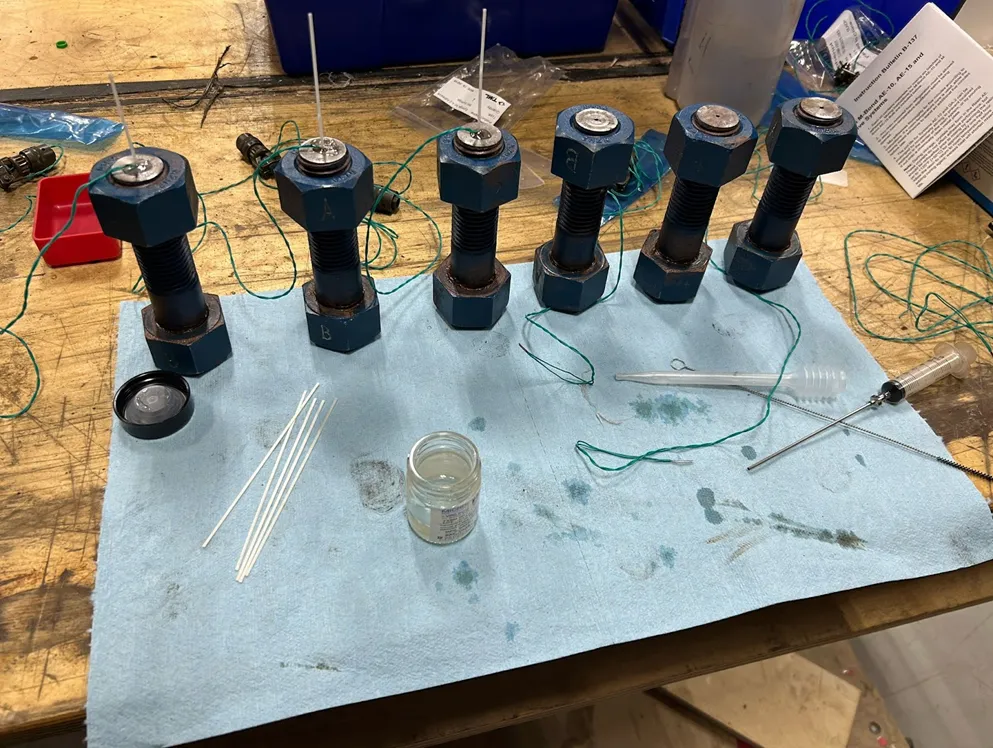
Strain gauge testing measures strain, stress, and deformation in materials subjected to load. Precision gauges are bonded directly to valve bodies, seals, bearings, and other pressure-retaining components to monitor how they respond to operational forces—allowing us to detect strain where it matters most.
Why It’s Important
- Evaluates mechanical stress in critical components like valve seats, stems, housings, and polymer elements
- Validates FEA (Finite Element Analysis) models by comparing predicted vs. actual strain data
- Reveals stress concentrations or failure points before they occur in service
- Supports compliance with standards like API, ASME, ASTM, and ISO
What Odin Measures
- Axial and hoop stress
- Stress under thermal expansion
- Deformation during actuation or pressure cycling
- Stress distribution in composite and polymer components
- Strain gauge testing enables ODIN to refine designs with data-backed accuracy, optimizing both safety and performance.
Odin’s Expertise in Action
We apply strain gauge testing during R&D, prototype qualification, and production validation—especially for:
- High-pressure valves (API 6A, 16A)
- Custom sealing systems
- Polymer bearings and support rings
Our in-house engineering team uses these findings to guide material selection, geometry refinement, and safety factor optimization.
With strain gauge testing, we don’t just design for performance—we prove it. Our components are built with real-world stress data behind every curve, contour, and contact surface—delivering confidence from blueprint to blowout preventer.
Looking for custom service or solutions?
Let our engineers help you build the perfect material and shape for your needs.